
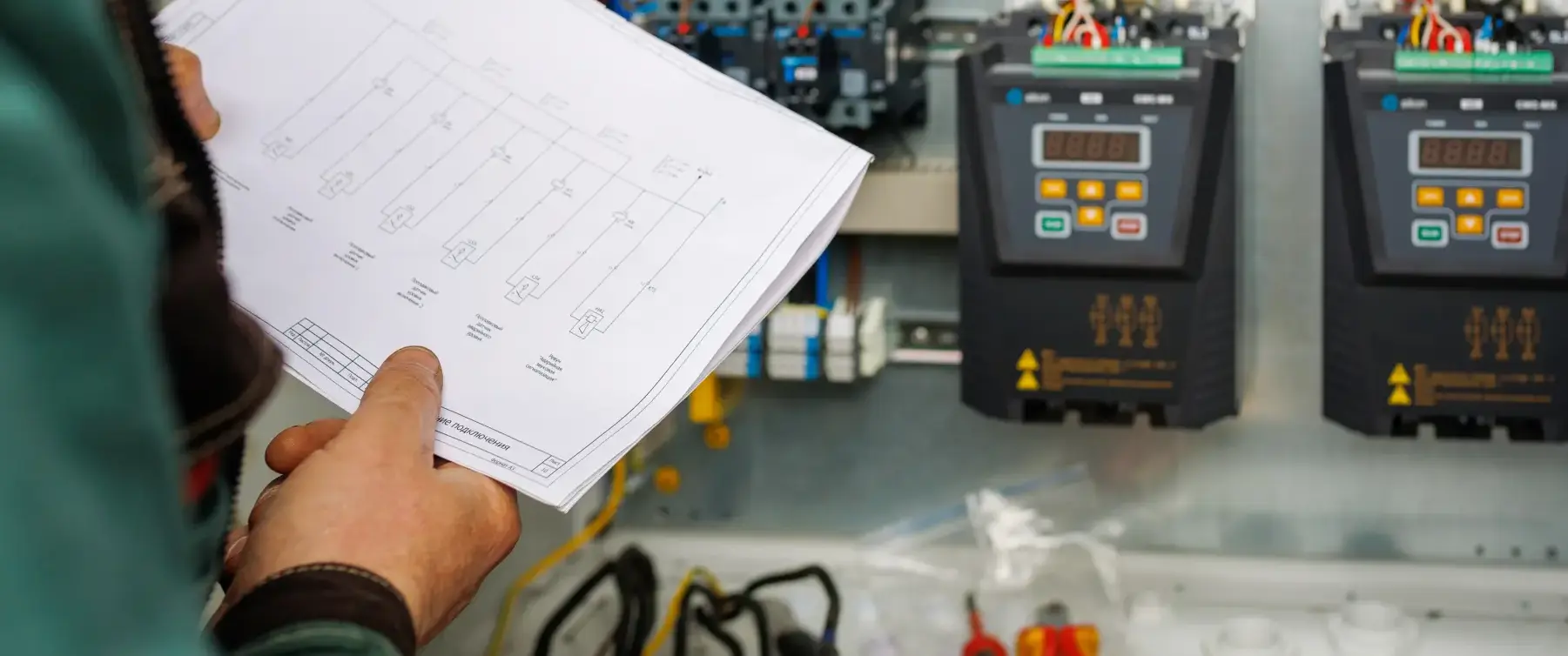
Get expert advice with our landlord guide to electrical emergencies. Discover preventative tips and immediate steps to handle urgent electrical faults effectively.
What Counts as an Electrical Emergency in a Rental
Begin by checking if anyone in your home or property is in danger. Live wires you can touch, burning smells, smoke, or visible arcing are emergencies. In these cases, its best to switch off the power at the consumer unit if it is safe, move people away, and call for help immediately.
Look for any and all signs that may point to shock risks. There may be tingling from taps or metal cases, appliances that give small zaps, or dampness nearby your sockets to suggest a fault. These issues can become serious very quickly.
Treat them as emergencies and stop using the affected circuit. Watch for overheating. Hot sockets, melted plastic, brown scorch marks, or a consumer unit that feels hot point to loose connections or overloaded circuits. Heat can start a fire. Turn off the circuit and arrange urgent attendance.
Consider how your tenants may be affected. Loss of power to critical areas, such as lighting in stairwells, alarms, or heating controls, can create safety risks. If the failure removes basic safety or leaves tenants in the dark, treat it as an emergency even if you cannot see damage.
Your Legal Duties (Landlord & Tenant Act, H&S, 18th Edition)
Landlords must keep electrical installations safe. The Landlord and Tenant Act states that all installations must be kept in repair and proper working order. That duty covers fixed wiring, the consumer unit, sockets, and switches, and this applies to the whole tenancy.
Health and safety rules also matter. Homes must be free from serious hazards, including electrical risk. Poor wiring, missing covers, and broken accessories can all create hazards. Landlords must act in a reasonable time to remove those hazards and protect tenants.

British Standard BS 7671, known as the 18th Edition, sets the accepted rules for design and testing. While BS 7671 is not a law by itself, it is the very standard that all competent electricians must follow. Work carried out to this standard helps show that you took proper care.
Documentation supports compliance. Keep all your installation certificates, test results, and product information and put them in places where you can find them as quickly as possible. Clear records will help you manage repairs, prove due care, and answer questions from tenants or local authorities.
EICR Responsibilities: Pass/Fail and Emergency Follow-Ups
Every rented home needs a current Electrical Installation Condition Report, often called an EICR. The report will be marked Satisfactory or Unsatisfactory. The decision is based on observation codes that show risk and the action required.
Serious issues are usually coded C1 or C2. Code C1 means there is danger present and it must be made safe immediately. The electrician should always make the situation safe before leaving. Code C2 means potentially dangerous and needs urgent repair. Both C1 and C2 lead to an unsatisfactory outcome until it is fixed.
Sometimes the report will show FI, which means further investigation is needed. This code signals concern where testing could not confirm safety. You must arrange follow-up testing or opening up, then carry out any repairs found to be necessary. After work is done, you should obtain written confirmation that the installation is now safe.
Time always matters in these instances. All your dangerous items should be made safe as quickly as possible. Other listed items should be remedied as soon as is reasonably possible. Keep copies of the original EICR, the remedial certificates, and any minor works or installation certificates so you can show a clear trail of actions.
HMOs: Extra Requirements (Emergency Lighting, Alarms, Records)
Houses in Multiple Occupation need extra care. More people, shared spaces, and longer escape routes increase risk. Electrical safety sits alongside fire safety, so both must be planned together.
Emergency lighting is often necessary in more common areas, as well as in dark or outdoor escape routes. This lighting must switch on during a power cut and give enough light for your tenants to have a safe exit. Routine checks are needed. Monthly function tests and an annual full test are common practice, with faults repaired quickly.
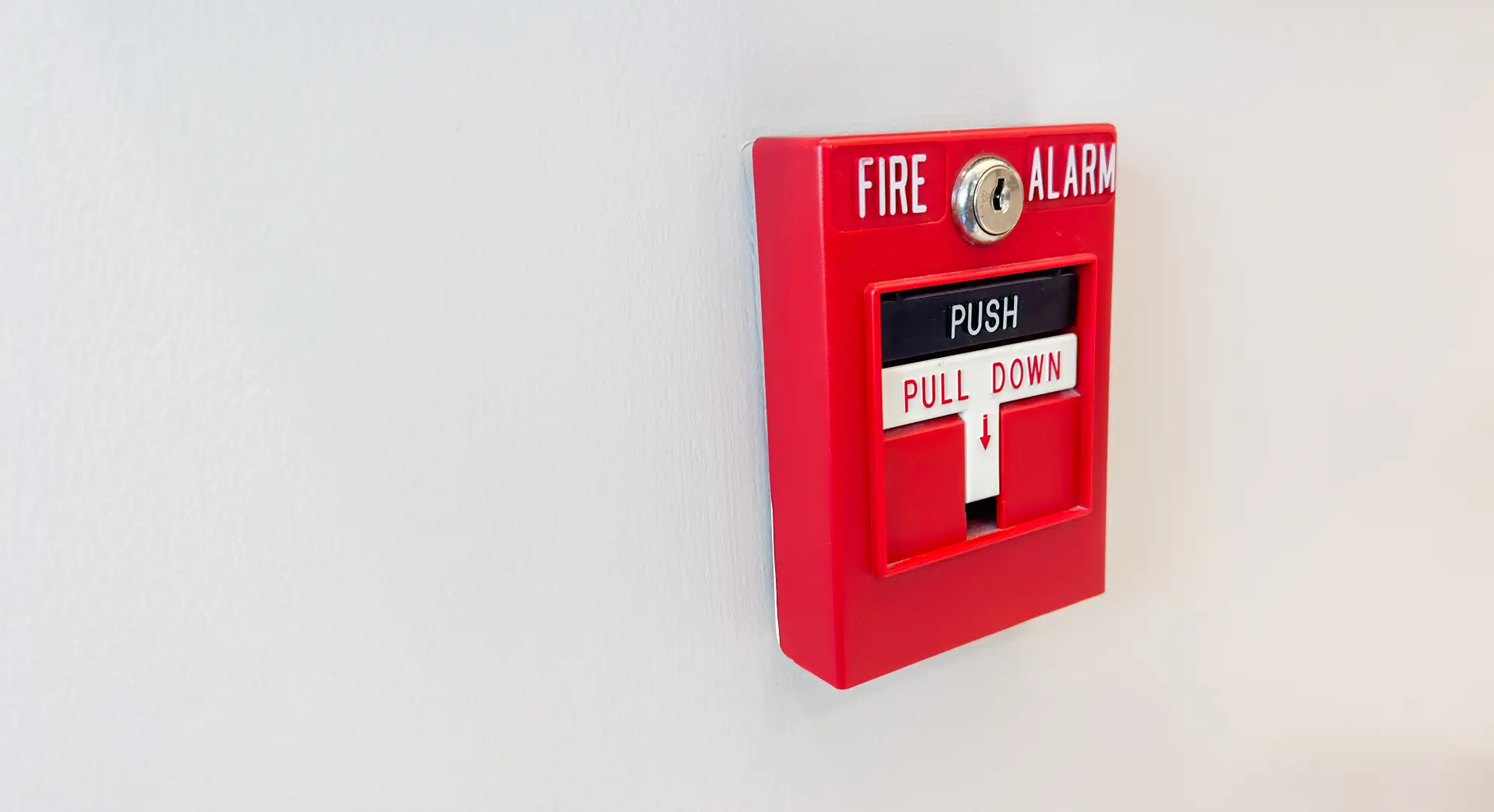
Fire detection systems in HMOs are usually more advanced than in single lets. Linked alarms, call points, and control panels may be specified.
Power supplies and wiring must be installed and maintained by competent people. Test logs should note weekly sounder checks and periodic servicing.
Record keeping is essential. Keep a register of testing for alarms and emergency lighting, copies of EICRs, and details of remedial work. Store dates, results, and the name of the competent person who did the job. Good records help you prove compliance and manage renewals on time.
Who to Call: DNO (Power Cut) vs Emergency Electrician (Fault)
First, decide if the issue is a network power cut or a fault in the property. If the whole street or several homes are out, this is likely a network problem. In that case, call the Distribution Network Operator using the national number 105. The DNO restores supply to the area and will not repair your internal wiring.
Next, consider building faults. If a single flat has no power, the consumer unit is tripping, or there are signs of damage, call an emergency electrician in your local area for help. If you see fire or heavy smoke, call the fire service on 999, then arrange an electrician once the scene is safe.
Simple checks can help while you wait. Ask tenants to unplug suspect appliances and keep clear of damaged fittings. You can guide them to switch off the affected circuit at the consumer unit if it is safe. Do not ask tenants to remove covers or touch exposed wiring.
If you need an emergency electrician in Kensington or the surrounding area contact our expert today .
Related Articles
What Counts as an Electrical Emergency