
What counts as an electrical emergency? Find out when to act fast, such as handling shocks or burning smells, to protect your home and loved ones.
Immediate Danger vs. Urgent but Not Critical
Begin by looking for risk to people or property. If there is a chance of fire, electric shock, or contact with live parts, you are facing an emergency. In that case, turn off the power at the consumer unit if it is safe, keep everyone away, and call a qualified electrician immediately.
It's always best to consider the setting next. Homes with children, pets, or elderly people have a lower margin for error. A fault that might be tolerable for an hour in an empty house can be much more dangerous in a busy one. When risk is higher, treat the problem as urgent and seek help straight away.
Think about what can go wrong if you wait. A warm socket, a buzzing switch, or a light that flickers could point to a loose connection. Left alone, that loose point can heat up and start a fire. When you are unsure, the best thing to do is act on the side of safety and switch off the affected circuit.
Electric Shocks or Tingling from Appliances
Any shock should be taken seriously. A tingle on a tap, a metal kettle that bites, or a washing machine that gives a tiny zap means electricity is leaking. This may be caused by a damaged flex, poor earthing, water inside the appliance, or a fault within the building wiring.
Immediate action is completely vital. You must stop using your appliance at once. Unplug it if you can reach the plug without touching metal parts. Next, switch off the circuit at the consumer unit. Do not test it again to see if the problem has gone. The next touch could be much stronger.
Health comes first. If a person has had a strong shock, seek medical help even if they feel fine. Effects on the heart can sometimes appear much later. Keep the person warm and still while you wait. If they are not breathing, start CPR if you are trained to do so and call for an ambulance.
An electrician will need to test the circuit. Proper checks include polarity tests, earth continuity, and insulation resistance. The aim is to find the fault point, repair or replace parts, and confirm that the protective devices operate within the correct times.
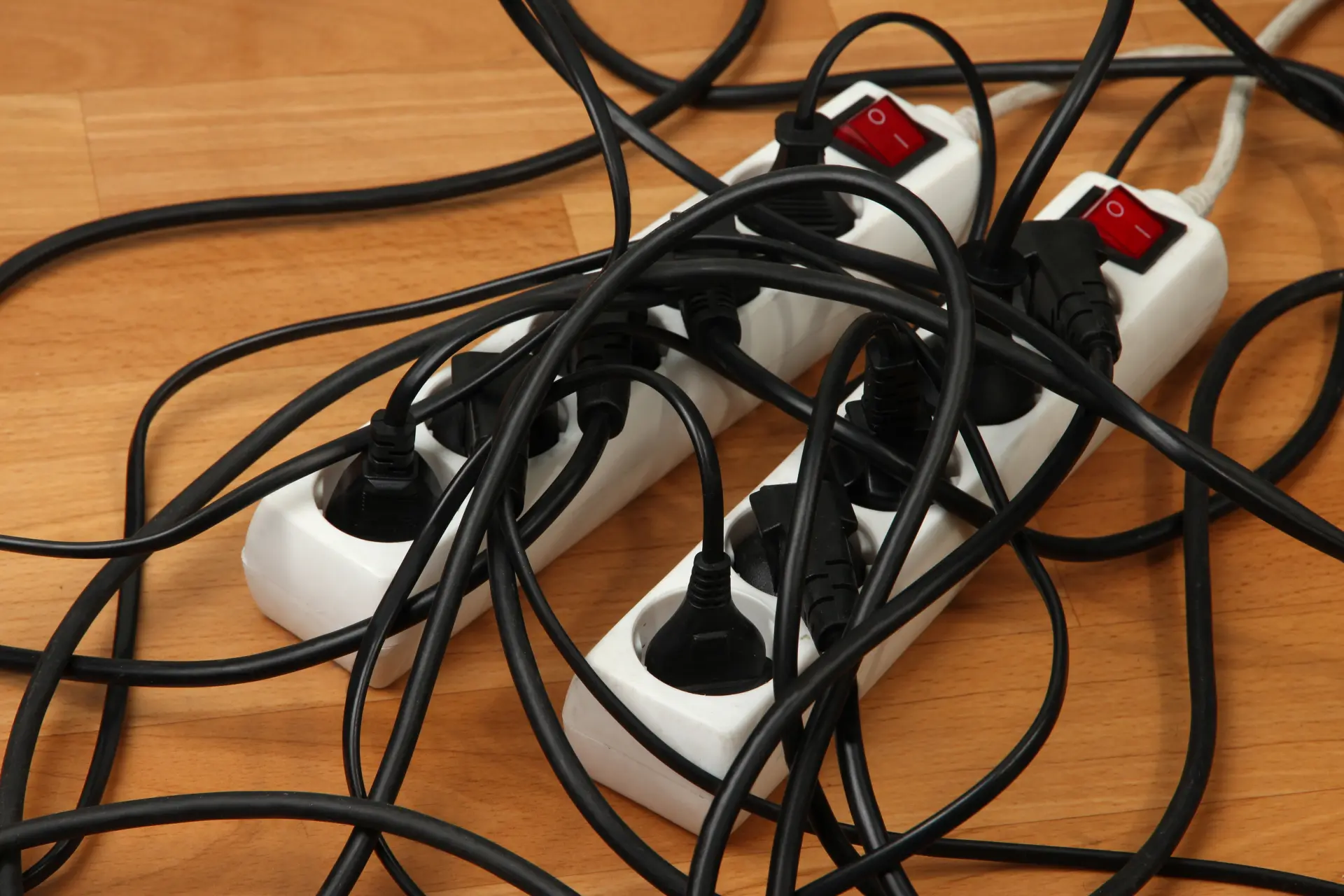
Prevention is also a major aspect to carry out at this stage. Replace your damaged plugs and flexes, keep all your appliances as dry as possible, and avoid any trailing leads under your carpets. Use RCD protection on sockets that supply outdoor equipment. If you rent your home, report shocks to your landlord in writing so there is a clear record.
Burning Smells, Smoke, or Scorch Marks
A burning smell is a red flag. Heat often starts with a loose terminal or a worn contact. As resistance rises, the part gets hot, which can melt plastic or discolour the wall plate. Smoke or visible scorch marks mean the fault has already progressed.
Swift action can stop a fire. Turn off the affected circuit or use the main switch if you are unsure where the fault is. Keep the area clear. Do not spray water near electrical equipment. If you see flames or heavy smoke, call the fire service at once and leave the property.
After the area is safe, arrange an urgent inspection. A local electrician will open the fitting, tighten or replace the terminals, and assess heat damage along the cable run. The work may include new accessories, fresh cable tails, or a different circuit layout to limit load on one point.
Root causes should be addressed. Overloading is common where multiway adaptors feed many high-load items, such as heaters and dryers. Better planning helps. Spread appliances across circuits, use fixed wiring for heavy loads, and avoid daisy-chained extension leads.
Hot Consumer Unit or Tripping Main Breaker/RCD
A consumer unit should be cool or only slightly warm. A hot cover, a buzzing sound, or a smell of hot plastic means something is wrong inside. Possible causes include a loose main terminal, an overloaded circuit, or a failing protective device.
Frequent tripping tells a story. A single trip might be due to a faulty kettle. Repeated trips point to a deeper fault, such as damp in an outside socket, a damaged cable under the floor, or a worn element in an appliance. The RCD reacts to small leakages to earth, which is why it may trip even when there is no short circuit.
Safe steps can narrow things down. Always turn off and unplug suspect appliances. Reset the device once. If it trips again, leave it off. Do not hold an RCD or breaker in the on position. This defeats the protection and can cause further damage.
Testing should be systematic. An electrician can isolate circuits, measure insulation resistance, check earth leakage, and confirm that each device trips within the correct time range. Any loose terminals will be tightened to the proper torque. Any damaged devices will then be replaced with parts that meet current standards.
Exposed Live Wires or Damaged Cables
Exposed live parts are an immediate hazard. Broken socket fronts, cracked cable sheaths, and loose conductors can be touched by mistake. Water on nearby surfaces increases the risk even more because wet skin has lower resistance.
Safety barriers come first. Keep children and pets away from the area. Switch off the circuit at the consumer unit. If you need to prevent access, use a solid object to block the space. Do not tape or twist wires together. Temporary fixes can fail without any warning.
A proper repair is the only safe choice. A competent electrician will cut back to sound cable, fit the correct enclosure, and secure the conductors in terminals that grip fully. The circuit will then be tested for continuity, polarity, and insulation resistance before it is returned to service.
Common causes can be avoided. Furniture legs can crush floor cables. Cables can be nicked by nails or screws. Leads can be pulled from plugs by rough handling, so simple care helps. Route cables away from sharp edges, use cable clips, and replace worn flexes before they fail.
Planning offers you plenty of extra protection. Fit robust metal or high-impact plastic faceplates into busy, wire-heavy areas. Use cord grips and strain reliefs on appliances that move a lot, such as vacuum cleaners. If cables are often damaged in one spot, consider rerouting the wiring or adding protective trunking.
When in doubt, choose safety. Turn off the power, keep clear, and contact Electrical Testing Camden for urgent electrical services in Kensington.
Related Articles
Landlord Guide to Electrical Emergencies